The human body requires oxygen to function, and the lungs play an essential role in ensuring that this vital element is delivered efficiently throughout the body. Oxygen is a key player in cellular respiration, the process by which cells produce energy. The lungs are part of the respiratory system, which also includes the nose, trachea, and other organs that facilitate breathing. Understanding how the lungs supply oxygen involves examining the structure of the lungs, the mechanics of breathing, and the transport of oxygen to the body’s cells.
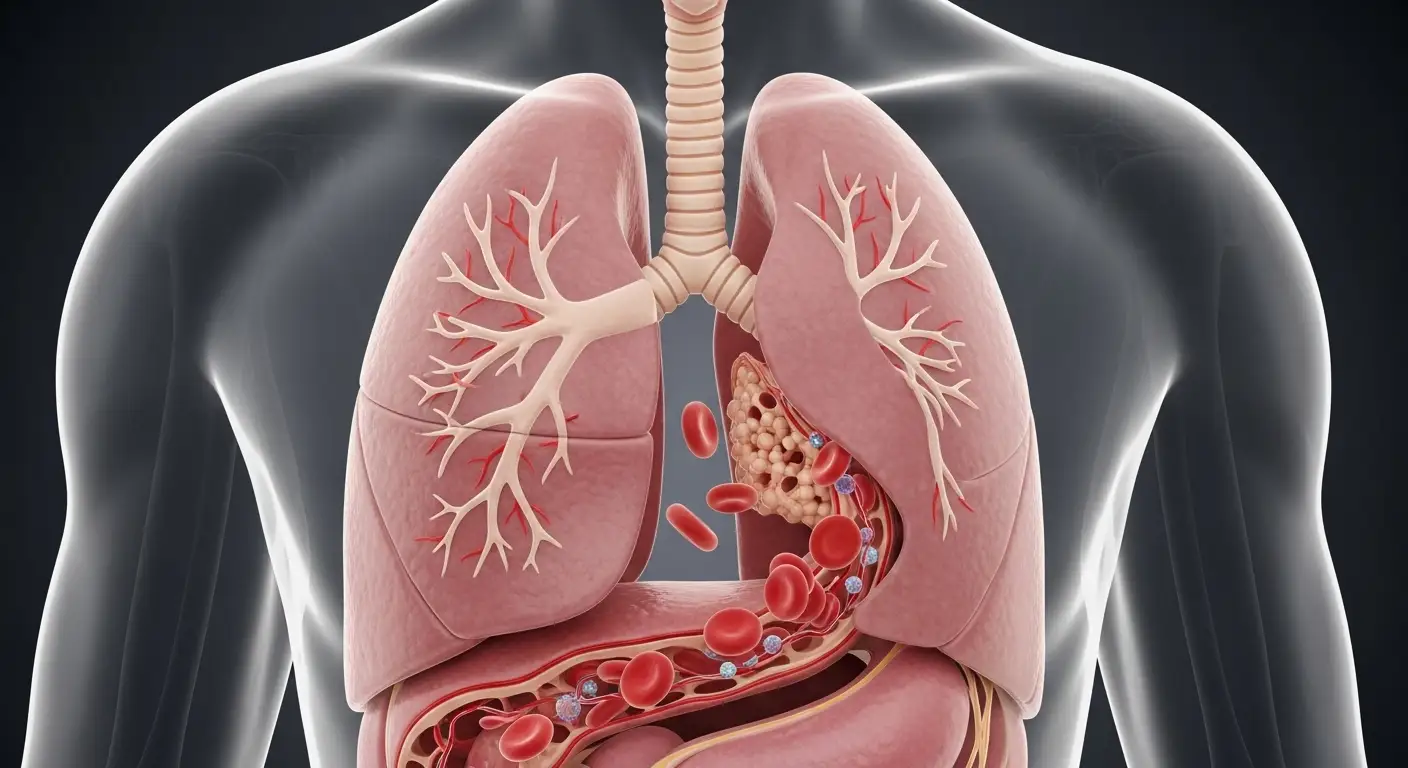
The lungs are located in the chest cavity and are protected by the ribcage. They are spongy organs made up of a network of airways, alveoli, and blood vessels. The process of oxygen supply begins when air is inhaled through the nose or mouth. The air then travels down the trachea, which is a tube that splits into two main bronchi, each leading to a lung. Within the lungs, the bronchi further divide into smaller branches called bronchioles, eventually reaching tiny sacs known as alveoli.
Alveoli are the crucial sites for gas exchange and are surrounded by a network of capillaries. These structures increase the surface area available for oxygen and carbon dioxide exchange. Inside the alveoli, oxygen from the inhaled air passes through the alveolar walls and into the surrounding capillaries. There, it binds to hemoglobin molecules in red blood cells, forming oxyhemoglobin, which allows the blood to carry oxygen. The design and structure of alveoli ensure that oxygen passes efficiently into the bloodstream.
Breathing, or ventilation, is the process by which air is moved in and out of the lungs. It involves two main phases: inhalation and exhalation. During inhalation, the diaphragm, a dome-shaped muscle located below the lungs, contracts and moves downward. This movement increases the volume of the thoracic cavity, causing the air pressure in the lungs to fall below atmospheric pressure. As a result, air rushes into the lungs to equalize the pressure.
Exhalation, on the other hand, occurs when the diaphragm relaxes and moves back to its dome shape, decreasing the volume of the thoracic cavity. This action increases the pressure within the lungs, causing air to be expelled. The rhythmic contraction and relaxation of the diaphragm, along with the intercostal muscles between the ribs, regulate the breathing process and ensure a continuous supply of fresh air to the alveoli.
The oxygen-bound blood travels from the lungs to the heart through the pulmonary veins. The heart then pumps this oxygen-rich blood to all parts of the body via a network of arteries and finer blood vessels known as arterioles and capillaries. Once the oxygen reaches the capillaries, it diffuses through the thin walls of these blood vessels and into the surrounding tissues and cells, where it is used for energy production through cellular respiration.
In the cells, oxygen is used in the mitochondria, often referred to as the powerhouses of the cells, to produce ATP (adenosine triphosphate). ATP is the energy currency of the cell, providing the energy required for numerous cellular processes, including muscle contraction, nerve impulse propagation, and chemical synthesis. The byproducts of cellular respiration include carbon dioxide and water.
The carbon dioxide, a waste product of cellular respiration, must then be transported back to the lungs for removal. It diffuses from the cells into the blood, where it is carried largely in the form of bicarbonate ions, but also dissolved in plasma or bound to hemoglobin. This carbon dioxide-rich blood travels back to the lungs via the pulmonary arteries. In the alveoli, carbon dioxide diffuses from the blood into the alveolar air and is expelled from the body during exhalation.
This entire cycle of oxygen introduction and carbon dioxide removal is continuous, allowing for the constant exchange of gases that is crucial for maintaining homeostasis within the body. The efficiency of this system depends on various factors, including the respiratory rate, hemoglobin levels, and the integrity of the lung tissues.
It’s essential for the lungs to remain healthy and efficient in their role of oxygen supply. Factors that can negatively impact lung function include smoking, environmental pollutants, respiratory diseases, and infections. Maintaining good respiratory health through regular exercise, avoiding pollutants, and adhering to a balanced diet can support the lungs' ability to supply oxygen effectively.
In summary, the ability of the lungs to supply oxygen to the body is a finely tuned process that involves multiple components of the respiratory and circulatory systems working in harmony. This cooperation enables the efficient transport of oxygen to body tissues and the removal of carbon dioxide, ensuring that cells can perform their essential functions, and highlights the intricate design and functionality of the human body’s respiratory system.